
Vessels
Browse every GRAIN ROT vessel — wooden bodies you possess as a Living Spark, ranked by durability, speed and corruption resistance with upgrade advice.
Introduction
The Vessels section covers every wooden body you can possess in GRAIN ROT. As a Living Spark, your vessel is your health bar, your speed stat and your gatekeeper to different playstyles — fragile starter bodies teach you the loop, while expensive late-game frames turn you into a Deep Layer tank. These guides list all known vessel types, their durability, speed and unique perks, plus honest upgrade recommendations for solo, duo and four-player crews. The tier conversation is the most argued topic in the community, so we pair every recommendation with its reasoning: which vessel survives the Rot's ambushes, which one hauls heavy furniture fastest, and which one is simply not worth the gold until the endgame.
Vessel Comparison Table
| Vessel | Tier | Durability | Speed | Key Perk |
|---|---|---|---|---|
| Oak Hauler | D | Low | Slow | Cheap to repair |
| Pine Runner | C | Low-Mid | Fast | Quick extraction |
| Ash Scout | B | Mid | Medium | Balanced all-rounder |
| Ironwood Carrier | A | High | Med-Slow | Hauls heavy furniture |
| Deep-Rot Colossus | S | Very High | Slow | Deep Layer tank |
Vessel Roster
Oak Hauler
Your first body — cheap, slow, survivable
Pine Runner
Fast extraction specialist for beginners
Ash Scout
The balanced solo / duo all-rounder
Ironwood Carrier
Hauls heavy furniture home safely
Deep-Rot Colossus
The late-game Deep Layer tank
Core Mechanics
Vessels are the bodies your Living Spark pilots — wooden construct frames that can be possessed, upgraded, repaired and swapped between runs. Each vessel has its own durability, movement speed and signature perk: some are designed to haul heavy furniture, some to outrun ambushes, and some to absorb damage in the Deep Layers. When a vessel breaks, the Spark survives and can possess a new body, so vessel choice is about matching your role and your crew strategy, not permanent commitment. Upgrades at the Outpost (durability frames, movement legs) layer on top of the base vessel to push even starter frames into mid-game viability.
Advantages
Vessels are the most direct way to shift your playstyle in GRAIN ROT, and that flexibility is the real advantage of the system. A fast, light vessel makes you a looting specialist who can grab furniture and outrun trouble, while a heavy, durable vessel turns you into the team's Deep Layer tank who holds corridors while everyone else salvages, and both playstyles are viable at the same outpost. Because Sparks survive a break, you can even switch vessels mid-run or use a sacrificial frame for high-risk scouting without losing your character, and the whole crew can adapt its loadout to the floor it is about to face. Understanding the tier list means you spend gold on upgrades that actually change your runs, instead of buying a body that does not fit how you play. Vessels are your second-most-important progression after the Outpost itself, because they are the part of your kit you feel in every single run.
Challenges
The catch with vessels is that the premium frames are expensive, slow and loud, and the Deep-Rot Colossus is a tank exactly because it attracts attention and takes hits. Investing in a high-tier vessel before you can reliably extract Deep Layer loot is a common gold sink: an S-tier body that you lose to corruption on floor two is a painful lesson, because the vessel's value only pays off when the crew can get it out alive. Vessel stats are also community-estimated after launch, so specific durability and speed numbers can shift with balance patches, and a frame that feels perfect in the demo can feel wrong after a tuning pass. Buy vessels for the playstyle you actually use, not the build everyone else on Reddit recommends, and always pair a new frame with the extraction skill that makes it worth its price.
Frequently Asked Questions
Which vessel should a brand-new player buy first?+
Can I swap vessels mid-run?+
What makes a vessel S-tier in the community rankings?+
Quick Tips
Repair your vessel between runs before spending gold on upgrades, because a half-durability frame will break at the worst possible moment, usually one room past the point of no return. The repair cost is a fraction of what you lose when a full vessel breaks with a bag of loot inside it. Make full repairs a habit after every extraction, and treat a damaged frame as a warning that your next run starts in the red.
Match your vessel to your role: a crew with one Ironwood Carrier, one fast runner and two mid-tier all-rounders extracts more loot than four players all copying the same meta build. The Carrier hauls the heavy furniture, the runner grabs the quick loot and the all-rounders cover the fights, and together they cover every extraction situation. Diversity lets each player specialise in the job that earns the most, and it is almost always better than four identical frames.
Use a sacrificial vessel for Deep Layer scouting. Break it by design near the elevator, recover your Spark, and you learn the floor layout without risking the crew's real gear or your progression money. The trick turns the death mechanic into an information tool, because your Spark survives a break and can rejoin the run. Practise it on a cheap frame first, and suddenly Deep Layers stop being terrifying and start being readable.
Do not trust raw Durability numbers alone; test the vessel's movement feel. In GRAIN ROT, the fastest way to die is being unable to outrun the ambush you triggered, and a stat sheet cannot tell you how a frame handles in a panic. Take each vessel into a low-risk floor and feel how it turns, how loud it is, and how fast it actually escapes. The right vessel for you is the one that gets you home when everything goes wrong.
Featured
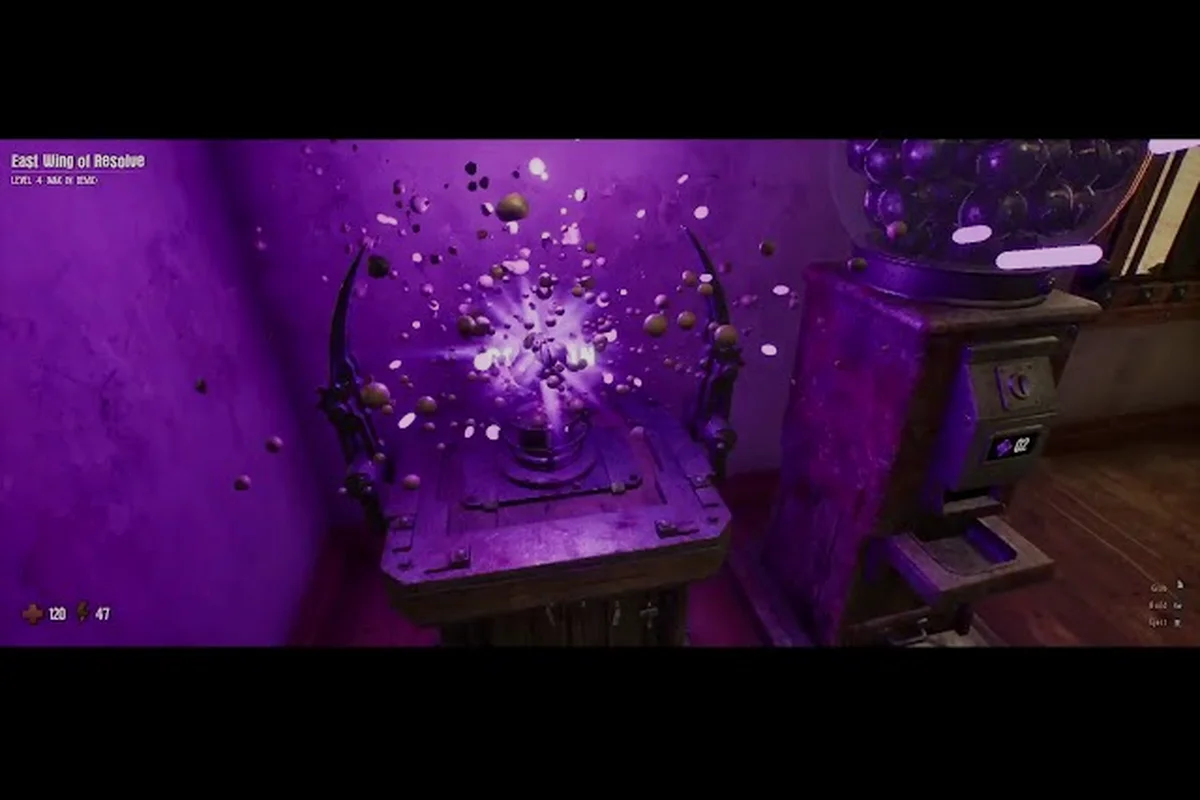
GRAIN ROT Vessels Guide: All Types, Unlocks & Best Picks
Complete GRAIN ROT vessels guide covering all vessel types, unlock requirements, and a tier list to help you pick the best vessel for every run.

GRAIN ROT Wooden Vessel Guide: Stats, Upgrades & Repair
Master the grain rot wooden vessel with our complete guide covering stats, durability, upgrades, and repair methods to survive the scorched wasteland.

GRAIN ROT Best Late Game Vessel: Top Picks & Builds
Discover the best late game vessel in GRAIN ROT with our 2026 tier list, unlock requirements, and optimal loadouts for maximum extraction success.
All Articles
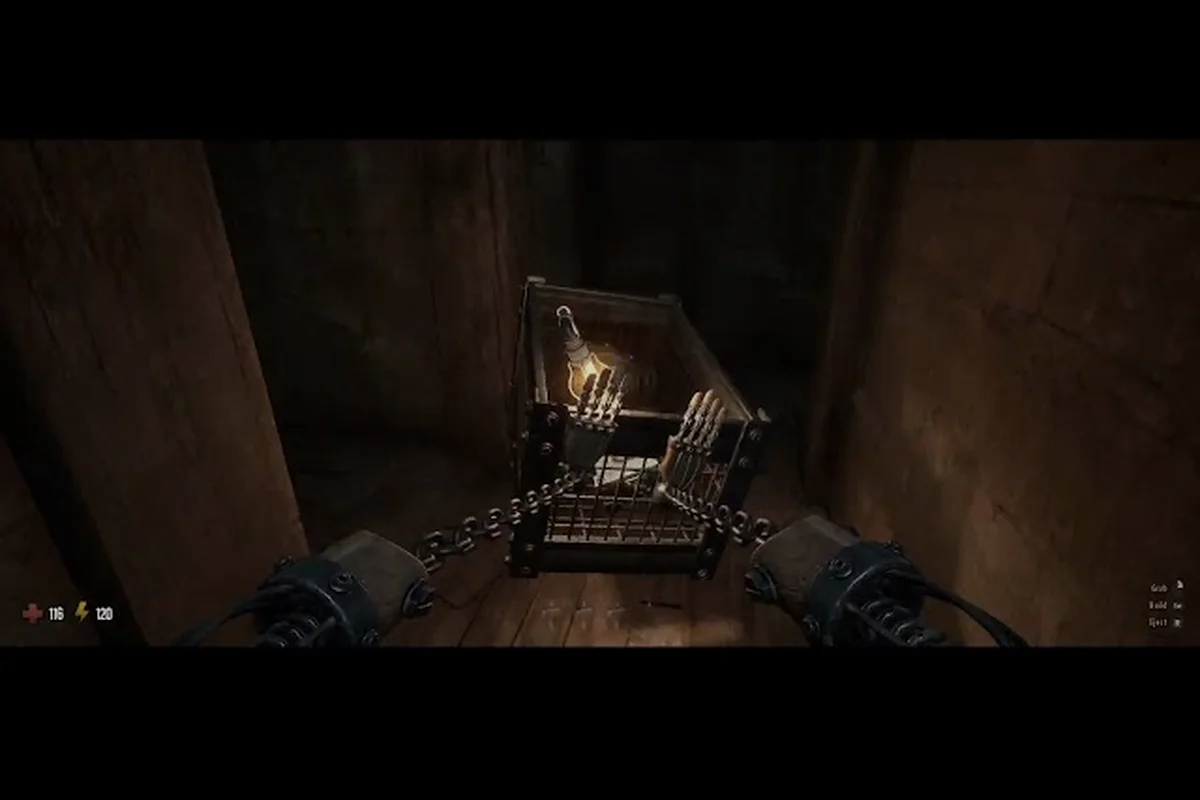
GRAIN ROT Vessel Death: Broken Vessels & Spark Revival
Learn what happens when your GRAIN ROT vessel breaks, how spark abilities work, and how to revive teammates after a vessel death in this co-op extraction horror.
GRAIN ROT Best Vessel for Duo: Top Picks & Meta Loadouts
Find the grain rot best vessel for duo play. Compare rarity, drops, cooldowns, and synergy to dominate extraction runs with your partner.

GRAIN ROT Vessel Health: Stats, Speed & Abilities Guide
Learn how grain rot vessel health, speed, and abilities work. Compare vessel perks, master spark possession, and change vessels safely in this complete guide.

GRAIN ROT Vessel Swap Guide: Switch & Save Your Gear
Learn how the grain rot vessel swap works, when to abandon a burning vessel, and which corrupted vessel risks are worth taking in this extraction guide.