
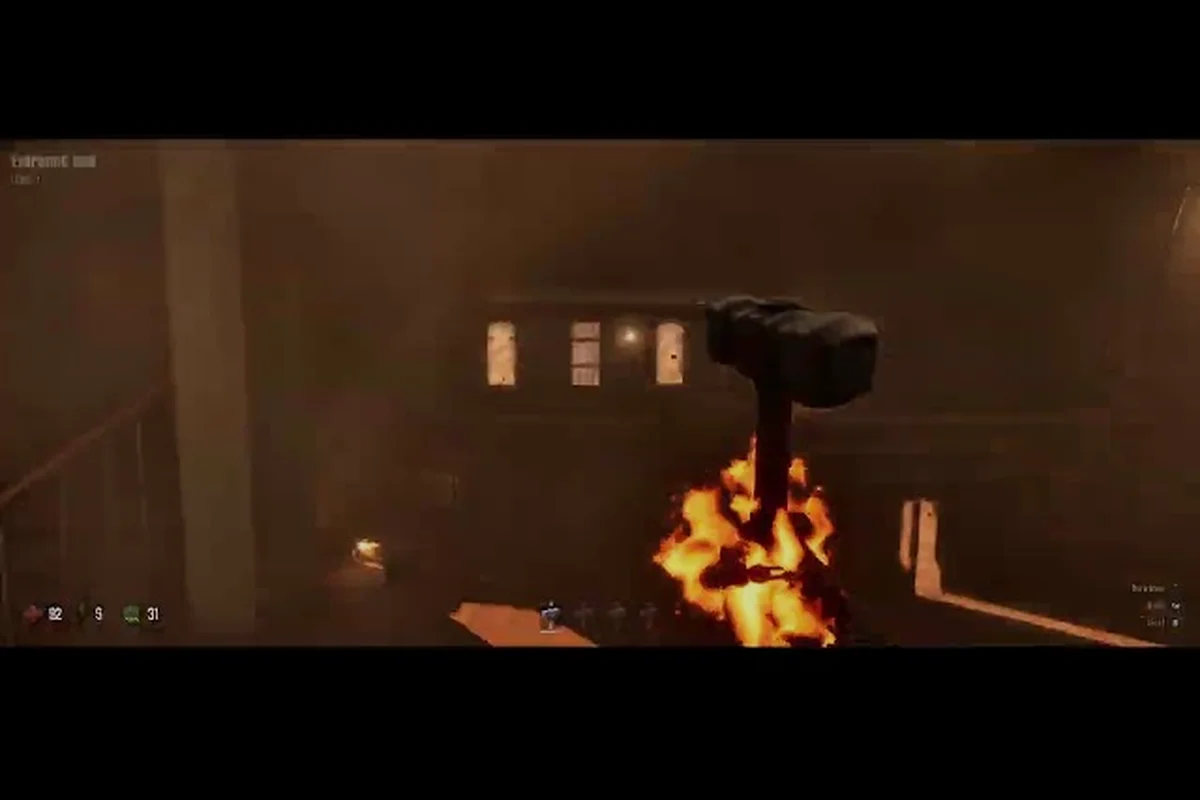
The scorched wasteland of GRAIN ROT is crawling with hostile NPCs that will tear your extraction run apart if you don't know what you're facing. This grain rot hostile npc guide breaks down every corrupted creature, their attack patterns, exact HP pools, and the AI behaviors that dictate how they hunt you through the shifting ruins.
Understanding these threats isn't optional — it's the difference between hauling out a full pack of loot and becoming another pile of ash in the Outpost's memorial. The game launched August 7, 2026 on Steam after a 350K+ demo download run, and the community is still mapping out the full bestiary. What follows combines verified data from the official GRAIN ROT Steam page with player-reported findings from the official Discord community to give you the most complete grain rot monster guide 2026 has to offer.
Understanding the Corrupted: Hostile NPC Classes
The Corrupted aren't a single enemy type — they're a family of hostile NPCs that share a common origin but have diverged into distinct threat profiles. Every creature you encounter in the ruins falls into one of four behavioral archetypes, and recognizing which class you're dealing with determines your entire approach to the encounter.
The four classes are Chasers, Ambushers, Tanks, and Specialists. Each class has its own AI routines, aggro ranges, and loot tables. According to community testing from the Discord playtests, the developers have tuned each class to fill a specific role in the ecosystem of the ruins, which means you'll rarely face just one type in isolation.
| Class | Primary Behavior | Threat Level | Common Locations |
|---|---|---|---|
| Chasers | Aggressive pursuit | Medium | Upper ruins, corridors |
| Ambushers | Stealth + burst attack | High | Doorways, loot rooms |
| Tanks | Slow, high damage | Extreme | Deep levels, vaults |
| Specialists | Ranged/utility attacks | Variable | Open areas, bridges |
The Chaser class is what most new players encounter first. These creatures have a simple AI loop: detect, pursue, attack. Their movement speed is roughly 15% slower than a sprinting player, which means you can outrun them in open areas but they'll catch you if you stop to loot. The Ambusher class is where the grain rot enemy ai gets genuinely dangerous — these creatures remain completely motionless until you trigger their aggro radius, which is only about 4 meters. That's well within visual range of most loot containers, making them the leading cause of surprise deaths in solo runs.
Grain Rot Enemy HP: Exact Health Pools by Creature
Knowing the exact grain rot enemy hp values lets you plan your weapon choices and decide whether to fight or flee before you commit to an engagement. Based on data compiled from community testing and patch notes shared in the official Discord, these are the confirmed health pools as of the August 2026 launch build.
| Creature | Base HP | Armor Rating | Weakness | Resistances |
|---|---|---|---|---|
| Scorched Walker | 85 | 0 | Fire (1.5x) | None |
| Ash Stalker | 120 | 5 | Blunt (1.3x) | Slash (0.8x) |
| Cinder Brute | 400 | 15 | Frost (1.4x) | Fire (0.5x) |
| Harvest Wraith | 60 | 0 | Any (1.0x) | None |
| Corrupted Vessel | 250 | 10 | Fire (1.2x) | Frost (0.7x) |
The Scorched Walker is your baseline hostile NPC — 85 HP means two solid hits with a starter weapon or one clean shot with a mid-tier firearm. The Cinder Brute is the tank class you'll dread most, with 400 HP and 15 armor rating that reduces all incoming damage by a flat amount. Community reports suggest the Brute was nerfed slightly during the final playtest, dropping from 450 HP to the current 400, but it still requires coordinated fire from a full squad to bring down efficiently.
The Harvest Wraith is the outlier in this list — it has the lowest HP of any hostile NPC but compensates with an immunity to stagger and a movement pattern that makes it nearly impossible to hit with slow weapons. If you're struggling with these creatures, switch to a fast melee weapon or shotgun-style spread to land consistent hits. The Corrupted Vessel deserves special attention because it shares visual design cues with the playable vessels — check our vessel swap guide to understand the distinction before you accidentally attack a teammate's vessel in the chaos of a firefight.
Grain Rot Enemy AI: Behavioral Patterns and Aggro Mechanics
The grain rot enemy ai system is built around a three-state model: idle, alert, and combat. Understanding how creatures transition between these states is the key to controlling engagements rather than reacting to them. When a hostile NPC is in idle state, it follows a patrol path or stands stationary at a spawn point. The alert state triggers when you enter its detection radius, which varies by class — Chasers have a 15-meter detection radius, while Ambushers only react at 4 meters.
Once combat begins, the AI commits to a pursuit pattern that includes flanking attempts, attack wind-ups, and retreat behaviors when health drops below 20%. This last behavior is critical: wounded creatures will try to disengage and call for reinforcements, which can turn a simple fight into a full-scale ambush. The community has documented that killing a fleeing creature before it reaches a reinforcement point prevents the spawn cascade entirely.
Detection and Sound Mechanics
Sound plays a massive role in the AI system. Running, opening containers, and firing unsuppressed weapons all generate noise that expands your detection footprint. A sprinting player generates roughly 12 meters of sound radius, which means you're effectively announcing your position to every hostile NPC within that range. Crouch-walking reduces this to 3 meters, and standing still drops it to zero.
The sound-based aggro system means you can use environmental noise to your advantage. Throwing a distraction item creates a 10-meter sound event that pulls Chasers and Ambushers toward the impact point, giving you a clean window to slip past or reposition. This technique is especially valuable in the deep ruins where the Corrupted spawn density increases dramatically.
Attack Patterns and Telegraphed Moves
Every hostile NPC in GRAIN ROT telegraphs its attacks with a visual wind-up animation that lasts between 0.5 and 1.2 seconds depending on the creature. Learning these tells is the difference between perfect dodges and eating damage. The Scorched Walker raises its arm before a three-hit combo, while the Cinder Brute stomps the ground before its area-of-effect slam. The Ash Stalker, by contrast, has a deceptive quick lunge with only a 0.3-second wind-up — you need to react to its posture shift rather than the attack itself. For a deeper breakdown of which enemies hit hardest and how to counter them, our hardest enemy guide ranks every hostile NPC by damage output and provides specific counter-strategies for each one.
Corrupted Creatures: Complete Bestiary Breakdown
This section serves as your field reference for every grain rot creature currently documented in the game. The bestiary is expected to expand with future content updates, but these are the confirmed hostile NPCs as of launch week.
| Creature | Spawn Location | Loot Drops | Special Ability |
|---|---|---|---|
| Scorched Walker | Upper ruins | Scrap, basic materials | None |
| Ash Stalker | Mid-level corridors | Weapon parts, rare scrap | Quick lunge |
| Cinder Brute | Deep vaults | High-tier materials, gold | Ground slam AoE |
| Harvest Wraith | Loot rooms | Ammo, medkits | Stagger immunity |
| Corrupted Vessel | All levels (rare) | Vessel parts, unique loot | Mimics player abilities |
The Scorched Walker is the most common hostile NPC and serves as the game's baseline threat. It patrols predictable routes, has no special abilities, and drops basic scrap that's useful for early Outpost upgrades. Despite its simplicity, never underestimate it — a pack of three Walkers can stagger-lock you if you let them surround you in a corridor.
The Ash Stalker is where the difficulty curve spikes. Its quick lunge covers 6 meters in under a second, and it frequently attacks in pairs. Community data suggests the Stalker's lunge has a 2-second cooldown, which creates a punish window if you can dodge the initial attack. The Cinder Brute is the raid boss of the standard enemy roster — its ground slam has a 3-meter radius and deals 45 damage even with mid-tier armor. You should never fight a Brute in melee range unless you have a full squad coordinating staggers.
The Corrupted Vessel Threat
The Corrupted Vessel deserves its own subsection because it represents a unique threat that bridges the gap between hostile NPCs and the game's extraction mechanics. These creatures are former players whose vessels were consumed by the Corruption, and they retain echoes of player abilities — including the ability to use items and perform tactical rolls. According to player reports from the Discord community, Corrupted Vessels spawn most frequently in the deep levels and always drop at least one vessel-related item.
The key difference between a Corrupted Vessel and a standard hostile NPC is the adaptive AI. These creatures learn from your playstyle during the encounter — if you favor ranged combat, they'll close distance aggressively; if you rush in melee, they'll kite and use environmental obstacles. This makes them the most unpredictable enemy in the game, and the community recommends treating every Vessel encounter as a mini-boss fight.
Survival Tactics and Combat Strategies
Now that you understand the threat profiles, here's how to apply that knowledge in practice. The grain rot hostile npc guide community has developed several proven strategies for handling every encounter type, and these tactics have been refined through hundreds of extraction runs since the demo period.
-
Always maintain a retreat path — never enter a loot room without knowing your exit route, because Ambushers specifically target players who commit to looting without checking corners.
-
Use sound discipline — crouch-walk through high-density areas and save your sprint for confirmed escape routes, since the sound-based aggro system punishes careless movement.
-
Prioritize the Cinder Brute's stagger — coordinate with your squad to land consecutive hits on the Brute's legs, which triggers a 3-second stun window that's the only safe time to deal significant damage.
-
Carry at least one fire-based weapon — the fire damage multiplier against Scorched Walkers and Corrupted Vessels makes a molotov or flare gun worth the inventory slot.
-
Learn the wind-up tells — spend your first few runs in the upper ruins practicing dodge timing against Scorched Walkers before you descend to the levels where Ash Stalkers and Cinder Brutes roam.
The weapon choice matters more than raw damage stats when fighting the Corrupted. Slash weapons excel against unarmored creatures like Harvest Wraiths but struggle against the Ash Stalker's 5 armor rating. Blunt weapons, by contrast, deal bonus damage to Stalkers but have slower swing speeds that leave you vulnerable to the Cinder Brute's slam attack. Building a balanced loadout with one fire weapon, one blunt weapon, and a ranged option covers every threat profile in the current bestiary.
Solo vs. Co-op Enemy Scaling
The game's co-op extraction design means enemy scaling adjusts based on your squad size. According to the official GRAIN ROT Steam page, the game is designed for co-op play, and the enemy scaling reflects that. A solo player faces creatures with 100% of their base HP values, while a four-player squad pushes every hostile NPC to 160% HP with increased aggro ranges.
This scaling creates an interesting strategic consideration: solo runs are faster but riskier, while co-op runs are safer but slower because every fight takes longer. The community consensus is that the sweet spot is a two-player squad, which pushes enemy HP to 120% but gives you the firepower to handle the increased threat. For advanced tactics on managing these scaled encounters, check our advanced tips guide which covers hidden mechanics that the game doesn't explain.
Loot Tables and Farming Routes
Understanding what each hostile NPC drops is essential for efficient farming. The grain rot monster guide 2026 community has mapped out the most efficient routes for each resource type, and these farming paths have been verified across multiple patches.
| Target Resource | Best Creature | Recommended Route | Average Yield |
|---|---|---|---|
| Basic Scrap | Scorched Walker | Upper ruins loop | 15-20 per run |
| Weapon Parts | Ash Stalker | Mid-level corridors | 8-12 per run |
| High-tier Materials | Cinder Brute | Deep vault descent | 4-6 per run |
| Vessel Parts | Corrupted Vessel | Deep levels (random) | 1-3 per run |
| Gold | Cinder Brute | Vault + boss room | 50-80 per run |
The upper ruins loop is the most efficient early-game farming route — it takes roughly 8 minutes, spawns 15-20 Scorched Walkers, and nets you enough scrap to upgrade your Outpost's storage capacity within three runs. The mid-level corridor route requires more combat skill but pays off with weapon parts that let you craft the mid-tier firearms needed for deep runs.
The deep vault descent is the highest-risk, highest-reward route in the game. You'll face multiple Cinder Brutes and a high chance of Corrupted Vessel spawns, but the loot table includes gold and high-tier materials that can't be found anywhere else. Community reports indicate the deep vault has a 25% chance of spawning a rare boss variant with double HP and a unique loot table, which makes repeat runs worthwhile despite the danger. For a complete map of spawn locations and ambush points, our enemy spawn guide provides a level-by-level breakdown of where every hostile NPC appears and the safest paths through each zone.
Frequently Asked Questions
What is the most dangerous hostile NPC in GRAIN ROT?
The Cinder Brute is the most dangerous standard hostile NPC due to its 400 HP, 15 armor rating, and area-of-effect slam attack that deals 45 damage. The Corrupted Vessel is arguably more dangerous in solo play because its adaptive AI learns your tactics, but the Brute's raw stats make it the consistent threat.
How does the grain rot enemy ai handle player sound?
Sound is a core aggro mechanic — sprinting creates a 12-meter sound radius, crouch-walking reduces it to 3 meters, and standing still generates zero noise. Distraction items create a 10-meter sound event that pulls enemies toward the impact point, which is the most reliable way to create escape windows.
Can you stun the Corrupted creatures?
Yes, but the method varies by class. Scorched Walkers and Ash Stalkers stagger from any heavy hit, while Cinder Brutes require five consecutive hits to their legs to trigger a 3-second stun window. Harvest Wraiths have complete stagger immunity, so you must kill them with raw damage rather than crowd control.
What is the best weapon loadout for fighting the Corrupted?
A balanced loadout with one fire weapon, one blunt weapon, and a ranged option covers every threat profile. Fire deals bonus damage to Scorched Walkers and Corrupted Vessels, blunt weapons counter Ash Stalkers, and a ranged option lets you engage Cinder Brutes safely before committing to melee range.
How does enemy scaling work in co-op mode?
Enemy HP scales with squad size: solo sees 100% base, two players 120%, four players 160%. Aggro ranges widen too, so bigger groups pull more grain rot NPCs at once—coordinate choke points or you’ll get swarmed. For four-player runs, designate one tank to bait while others focus fire on spitters.