
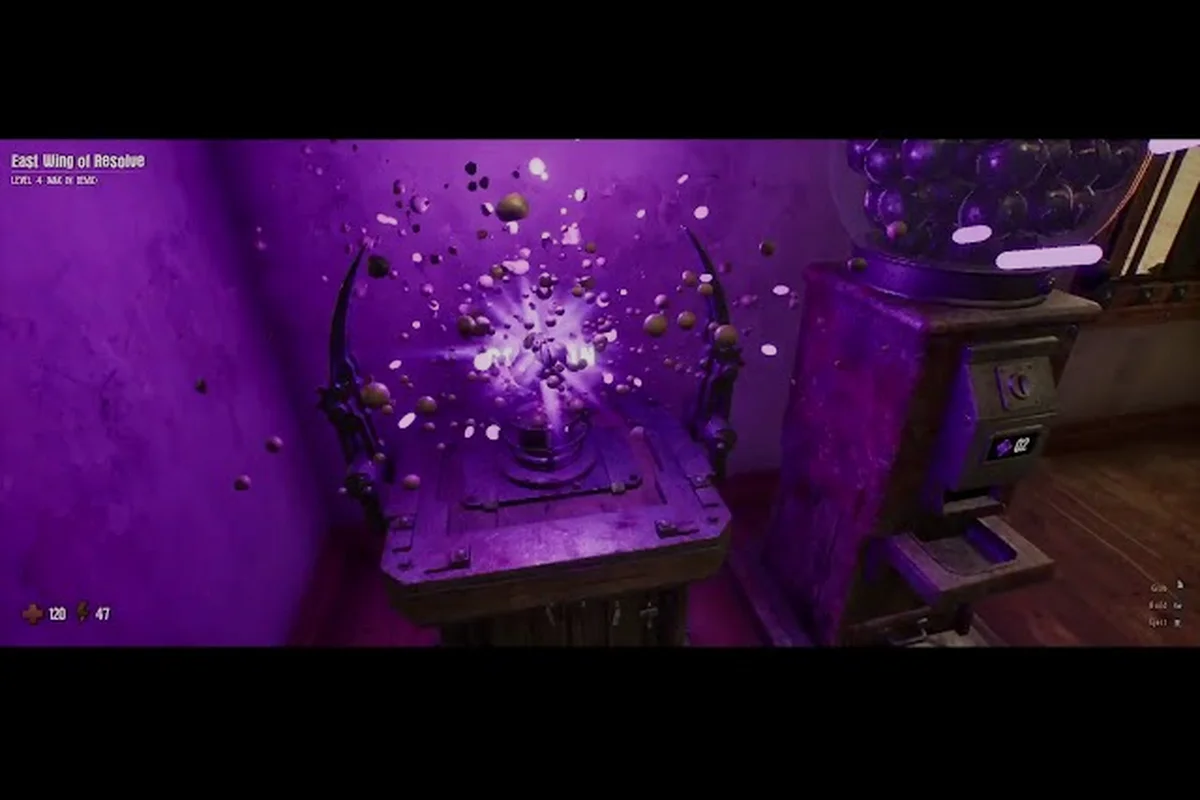
The grain rot outpost level system is the backbone of your long-term survival in this co-op extraction horror builder, and understanding how it works separates players who escape the scorched wasteland from those who feed the Corrupted. Your Outpost isn't just a safe haven — it's a persistent hub that carries your meta progression between runs, so every piece of furniture you rip out and every upgrade you unlock permanently shapes your chances on the next descent.
Leveling the Outpost: What Each Rank Unlocks
The grain rot outpost level system functions as your primary meta progression layer, distinct from the in-run scavenging that happens inside the shifting ruins. When you extract successfully with loot, those resources funnel back into your Outpost, which acts as a persistent hub that evolves between expeditions. According to the official GRAIN ROT Steam page, the core loop is simple: descend with friends, rip out furniture, scavenge for loot, and rebuild the Outpost to better your chances for the next run.
What makes this system compelling is how it ties every extraction directly to your long-term power curve. Each successful run feeds the Outpost, which in turn makes future runs more forgiving — a classic roguelike progression loop that rewards both survival and efficiency.
Key mechanics to understand from the start:
-
Outpost Level increases as you invest resources into permanent structures, unlocking new build options and passive bonuses
-
Scrap and rare materials extracted from ruins convert directly into Outpost upgrades
-
Furniture pieces serve dual purposes: they provide immediate utility during runs and can be permanently installed at the Outpost
-
Corruption resistance scales with your Outpost level, reducing the danger of late-game expeditions
The relationship between your grain rot outpost level and run difficulty creates a natural difficulty curve. Early runs feel brutal because your Outpost is bare, but by level 10-15 you'll notice significantly smoother expeditions. Community reports from the official Discord server suggest that players who prioritize Outpost development over cosmetic unlocks progress roughly 40% faster through the mid-game content.
Permanent Upgrades and Meta Progression Explained
Grain rot permanent upgrades represent the core of your meta progression, and they fall into several distinct categories that each serve a specific purpose in your survival strategy. Unlike temporary in-run buffs that vanish when you extract, these upgrades persist forever, making each investment a permanent step forward.
The main upgrade categories include:
-
Workshop upgrades that improve crafting efficiency and unlock new blueprint tiers
-
Storage expansions that increase how much loot you can carry back from expeditions
-
Defense systems that reduce Corruption damage during extraction sequences
-
Medical facilities that improve healing efficiency between runs
-
Scout towers that reveal more of the map before you descend
The Grinder deserves special attention here, as the developers have been actively tuning its gold values according to patch notes shared in the community Discord. This structure converts raw scrap into refined materials at a fixed ratio, and upgrading it early provides a steady income stream that funds all your other permanent upgrades.
Priority Order for Permanent Upgrades
| Priority | Upgrade | Why It Matters | Estimated Cost |
|---|---|---|---|
| 1 | Storage Expansion | More carry capacity means more loot per run | 500 scrap |
| 2 | Grinder Level 2 | Doubles scrap conversion efficiency | 750 scrap |
| 3 | Medical Station | Reduces healing cooldown by 30% | 600 scrap |
| 4 | Scout Tower | Reveals 15% more map area per descent | 900 scrap |
| 5 | Defense Turrets | Slows Corrupted during extraction | 1,200 scrap |
This priority order reflects the community consensus that carry capacity and resource conversion provide the strongest early-game returns. Storage expansions compound every single run, while the Grinder ensures you never sit on excess scrap that could be working for you.
How Meta Progression Carries Between Runs
The grain rot meta progression system works on a simple principle: everything you build at the Outpost persists. When you die or extract, you return to the Outpost with whatever resources you managed to secure, and those resources permanently upgrade your facilities. This creates a satisfying loop where even failed runs contribute something — as long as you grab at least one piece of loot before the Corrupted close in.
What carries over between runs:
-
All permanent upgrades and their levels
-
Unlocked blueprint tiers
-
Installed furniture pieces
-
Stored resources in your Outpost inventory
-
Character progression tied to Outpost facilities
What does not carry over are temporary buffs, consumables, and any gear you didn't manage to extract with. This distinction matters because it means your grain rot outpost level is the single most important metric for long-term success — everything else resets.
Base Building Tips for Optimal Outpost Layout
Effective grain rot base building tips focus on maximizing the efficiency of your limited Outpost space while ensuring every structure serves a clear purpose. The Outpost has a fixed footprint that expands as you level up, so early planning prevents costly reorganizations later.
Core layout principles:
-
Cluster production buildings near the Grinder to minimize travel time during resource conversion
-
Place defensive structures at the perimeter facing the main entrance where Corrupted approach
-
Keep medical facilities central so you can reach them quickly between runs
-
Reserve expansion space for late-game structures that unlock at higher Outpost levels
The furniture system adds another layer of strategy to base building. Every piece of furniture you rip out during expeditions can be installed at the Outpost, and each piece provides a passive bonus. A sturdy workbench might reduce crafting times, while a comfortable bed could improve healing rates. According to player experience shared in community forums, stacking furniture bonuses strategically can provide a 20-25% efficiency boost across all Outpost operations.
Furniture Tier List for Base Building
When deciding which furniture pieces to prioritize, the grain rot base tier list ranks items by their long-term value:
| Tier | Furniture Type | Passive Bonus | Best Use Case |
|---|---|---|---|
| S | Reinforced Workbench | 15% faster crafting | Core production hub |
| S | Medical Cot | 20% faster healing | Mid-run recovery |
| A | Storage Rack | +10 carry capacity | Every run benefits |
| A | Scout Telescope | 10% more map reveal | Exploration focus |
| B | Decorative Trophies | +5% morale bonus | Late-game optimization |
| C | Basic Chairs | Minimal comfort bonus | Early filler only |
The S-tier furniture pieces should be your first installation targets because they provide multiplicative benefits that scale with your playtime. A reinforced workbench saves minutes per crafting session, which compounds across dozens of runs.
Base Tier List and Progression Milestones
Understanding where your Outpost stands in the grain rot base tier list helps you set realistic progression goals and identify what to prioritize next. The community has established a rough tiering system based on the facilities available and their upgrade levels.
| Base Tier | Outpost Level | Key Facilities | Run Difficulty |
|---|---|---|---|
| Starter | 1-3 | Basic Grinder, Small Storage | Brutal |
| Functional | 4-7 | Level 2 Grinder, Medical Station | Challenging |
| Established | 8-12 | Scout Tower, Defense Turrets | Moderate |
| Advanced | 13-18 | Full Workshop, Expanded Storage | Comfortable |
| Endgame | 19+ | All facilities maxed | Manageable |
Progression milestones to aim for:
-
Level 5 unlocks the Medical Station, which dramatically reduces downtime between runs
-
Level 10 grants access to the Scout Tower, making map navigation significantly safer
-
Level 15 unlocks the final storage expansion, giving you maximum carry capacity
-
Level 20 represents the current endgame where all facilities can reach maximum upgrade levels
The jump from Functional to Established is the most impactful transition in the game, according to community reports. At this point, your grain rot outpost level provides enough passive bonuses that survival becomes more about execution than luck, and you can start attempting higher-difficulty descents with confidence.
When to Push for Higher Outpost Levels
Knowing when to push for higher grain rot outpost levels versus when to bank resources for future upgrades requires careful judgment. The community consensus suggests a balanced approach: always keep enough scrap for one emergency upgrade, but invest excess resources immediately rather than hoarding.
Signs you should push for the next Outpost level:
-
You consistently extract with full inventory and have spare storage space
-
Run failures are caused by resource shortages rather than skill issues
-
You have accumulated enough scrap for two upgrades simultaneously
-
The current difficulty tier feels too easy for your skill level
If you're struggling with the early game, check out our GRAIN ROT unlock guide for essential tips on leveling efficiently. For a deeper dive into which upgrades matter most, our best perks tier list covers the meta builds that synergize with advanced Outpost setups.
Advanced Outpost Strategies for 2026
As the meta evolves, advanced players are discovering new synergies that maximize the grain rot outpost level system's potential. These strategies go beyond basic upgrade priority and focus on optimizing the entire progression loop. Advanced techniques reported by veteran players:
-
Furniture stacking — installing multiple copies of the same furniture type to amplify its bonus, though the developers have hinted at diminishing returns in future patches
-
Resource cycling — using the Grinder to convert scrap into higher-tier materials before extraction, effectively banking value in a more compact form
-
Co-op specialization — assigning each player a specific Outpost role (one focuses on storage, another on medical, etc.) to accelerate collective progression
-
Corruption farming — deliberately triggering Corruption events during extraction to farm rare materials that only appear during these encounters
The co-op specialization strategy deserves particular attention because it fundamentally changes how groups approach progression. Instead of each player building the same upgrades, teams divide responsibilities and share the benefits. One player focuses on storage expansions while another prioritizes medical facilities, creating a combined Outpost that excels in all areas rather than being mediocre across the board.
Errors That Stunt Outpost Progression
Even experienced players make costly errors when managing their grain rot outpost level progression. Based on community feedback and developer patch notes, these are the most common mistakes:
-
Over-investing in cosmetic upgrades early, which delays critical functional improvements
-
Neglecting the Grinder — this structure generates passive value every time you use it
-
Hoarding scrap instead of investing, which slows your overall progression curve
-
Ignoring furniture bonuses — these provide significant passive value that many players overlook
-
Solo progression in co-op — failing to coordinate with teammates leads to inefficient resource allocation
The Grinder neglect issue is particularly common among new players who don't realize how much passive value this structure generates. According to community testing, a level 3 Grinder can effectively double your scrap income over a session, making it one of the highest-return investments in the game.
For players looking to optimize their early game further, our best early game build guide covers loadout choices that complement aggressive Outpost development. And if you're hitting walls in specific mechanics, the advanced tips guide explains hidden systems that affect your progression speed.
Frequently Asked Questions
What is the fastest way to increase grain rot outpost level?
The fastest approach combines efficient extraction with smart resource management. Prioritize storage upgrades first to increase carry capacity, then focus on the Grinder to maximize scrap conversion. Always extract with full inventory, even if it means taking risks, because every piece of scrap contributes to your permanent progression.
Do permanent upgrades carry over between co-op sessions?
Yes, all grain rot permanent upgrades persist across sessions, but each player has their own Outpost progression. In co-op, the host's Outpost determines the base facilities available, while other players contribute resources during runs. This means coordinated groups should designate one player as the primary Outpost builder to avoid splitting resources inefficiently.
How does the grain rot base tier list affect matchmaking difficulty?
The base tier list directly influences the difficulty rating of your expeditions. Higher-tier Outposts unlock harder difficulty options with better loot tables, while lower-tier Outposts face reduced difficulty but also reduced rewards. The game matches your run difficulty to your Outpost level, ensuring that progression always feels appropriately challenging.
What happens when you die with resources at the Outpost?
Resources stored at the Outpost are safe and persist through deaths. Only resources carried during expeditions are lost on failure. This makes it crucial to deposit loot at the Outpost before starting new runs, since any scrap stored safely contributes to your permanent progression regardless of what happens during subsequent expeditions.
Can you respec or move permanent upgrades?
Currently, no respec exists for grain rot outpost level upgrades, so each choice locks in permanently. Prioritize storage and stamina first—these pay off fastest. The devs hint a respec may come later, but for now, plan around your squad’s extraction route. What order worked for you?