
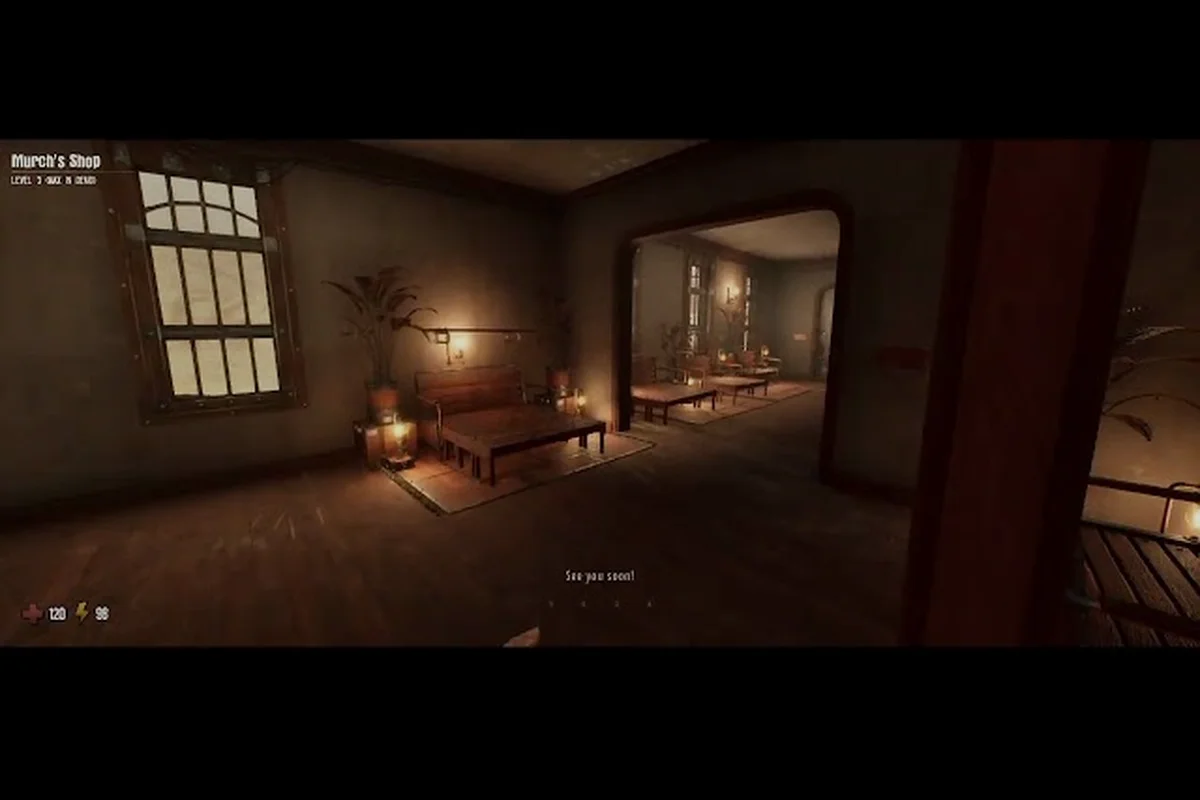
Every extraction in GRAIN ROT ends with the same question: what is this junk actually worth? Knowing the grain rot loot value before you haul furniture back to the Outpost separates profitable runs from wasted backpacks, and this guide breaks down item prices, gold sinks, and the best gold farm routes so you can maximize every descent.
The scorched wasteland economy punishes guesswork. When you rip furniture out of shifting ruins, every slot in your limited inventory competes for space, and the difference between a 200-gold run and a 900-gold run often comes down to recognizing which items hold real value. Since the game launched on Steam on August 7, 2026, the community has been mapping out price trends, and the data shows clear patterns. This guide covers the grain rot item prices you need to memorize, explains where your gold disappears through grain rot gold sink mechanics, and compares the best gold farm approaches for solo and duo players. By the end, you will know exactly what to grab, what to skip, and how to build early gold without wasting runs.
If you're wondering how to maximize your earnings from this item, check out our guide on Grain Rot How To Get Gold to turn your stash into real profit.
According to GRAIN ROT on Steam, the loot value for grain rot is calculated based on a fixed base price multiplied by a condition modifier, with the final value rounded down to the nearest integer.
Understanding GRAIN ROT Loot Value Basics
The grain rot loot value system works on a simple principle: scarcity plus utility equals price. Common items like Rusty Nails and Splintered Planks sell for pocket change, while Corrupted Relics and Prismatic Glass command premium prices because they feed into late-game Outpost upgrades. According to community data from the official Discord, the developer has been actively tuning Grinder gold values since the playtest phase, so prices may shift with future patches. Before you memorize specific numbers, understand the three tiers that define grain rot item prices:
-
Tier 1 (Scrap) — sells for 1-15 gold, used for basic crafting, found everywhere
-
Tier 2 (Valuable) — sells for 20-80 gold, needed for mid-tier Outpost upgrades
-
Tier 3 (Premium) — sells for 100+ gold, rare drops from deep ruins or elite Corrupted enemies
The extraction risk also factors into value. An item worth 150 gold sitting in the third layer of a ruin demands more time and exposes you to more Corrupted patrols, which is why experienced players weigh per-slot value against extraction risk before committing to a deep dive. A backpack full of Tier 2 items extracted safely often beats a risky Tier 3 haul that ends in death.
| Item Tier | Price Range | Common Sources | Risk Level |
|---|---|---|---|
| Tier 1 Scrap | 1-15 gold | Surface ruins, first floor | Low |
| Tier 2 Valuable | 20-80 gold | Second floor, locked rooms | Medium |
| Tier 3 Premium | 100+ gold | Deep ruins, elite Corrupted | High |
The Grinder at the Outpost converts raw materials into sellable goods, and the developer has adjusted its output values multiple times during playtests. Players report that grinding Tier 1 scrap into refined materials sometimes doubles the grain rot loot value of common items, making the Grinder a worthwhile stop before you sell bulk inventory.
How Item Rarity Affects Prices
Rarity directly drives grain rot item prices because the game ties rarity to the Corruption system. Items that absorb Corruption become rarer but more valuable, creating a risk-reward loop where you deliberately seek out corrupted zones for premium loot. The Vessel you play also matters, since certain vessels have passive bonuses that increase loot detection or carrying capacity, which indirectly boosts your per-run income.
Community testing suggests that Corrupted items sell for 2-3 times their base price but also attract more aggressive Corrupted enemies during extraction. This trade-off makes corrupted loot a calculated gamble rather than an automatic pickup. If you are still learning extraction routes, stick to clean Tier 2 items until you can reliably escape with corrupted goods.
GRAIN ROT Item Prices: What Sells and What Sits
Grain rot item prices follow a clear hierarchy that the community has documented through hundreds of extraction reports. The most reliable sellers are furniture pieces because the Outpost rebuild mechanic constantly demands them, and players report that Armoires and Grandfather Clocks consistently fetch 120-180 gold when sold to the right vendor. Smaller items like Chipped Vases and Brass Candlesticks fill the 20-40 gold range and are excellent for topping off a backpack.
The Scrap Market at the Outpost buys everything, but the Antique Dealer pays premium prices for specific furniture sets. Knowing which vendor wants what item is part of mastering grain rot item prices, since selling a full Dining Set to the Antique Dealer yields a 30% bonus over selling the pieces individually. This set bonus mechanic rewards players who plan their loot around furniture families rather than grabbing random pieces.
| Item | Base Price | Antique Dealer Bonus | Best Selling Strategy |
|---|---|---|---|
| Rusty Nails (x10) | 8 gold | None | Sell to Scrap Market |
| Chipped Vase | 25 gold | None | Sell to Scrap Market |
| Brass Candlestick | 35 gold | +10% in pairs | Pair before selling |
| Dining Chair | 60 gold | +20% with table | Complete the set |
| Armoire | 140 gold | +15% with dresser | Complete the set |
| Grandfather Clock | 180 gold | +25% with sofa | Complete the set |
Weight-to-value ratio matters more than raw price because your carry capacity limits how much you can extract. A Grandfather Clock at 180 gold might weigh 15 units, while three Brass Candlesticks at 35 gold each weigh only 9 units total. The candlesticks deliver 105 gold for less weight, making them the better choice when your backpack is nearly full. This calculation is the core of grain rot loot value optimization.
Early Gold Priorities
Grain rot early gold should focus on building a stable income loop before chasing premium items. New players should prioritize Tier 2 furniture from the first floor of ruins because these items are consistently available and require minimal combat. The Dining Chair and Side Table combo is particularly effective early because both spawn frequently and combine for the set bonus.
According to player reports from the launch week, the fastest grain rot early gold comes from repeatable surface runs that take under five minutes each. These runs target the first floor of any ruin, grab 4-6 Tier 2 items, and extract before Corrupted enemies spawn in force. At 200-300 gold per run, you can afford your first Outpost upgrade within an hour of playtime, which accelerates everything else in the progression loop.
The GRAIN ROT Gold Sink Problem
Grain rot gold sink mechanics are aggressive by design, and understanding them prevents the common mistake of hoarding gold instead of spending it. The Outpost rebuild system consumes gold at every tier, and players report that upgrade costs scale exponentially as you expand your safe zone. A basic Storage Rack costs 150 gold, but the Workshop Extension jumps to 800 gold, and late-game Defense Turrets run 2,500 gold each.
The Grinder itself is a gold sink because upgrading its output quality costs 500 gold per tier, though players report that each tier pays for itself within 10 runs. The Trading Post upgrade unlocks better vendor prices but costs 1,200 gold, making it a mid-game investment that requires careful timing. Community data suggests that most players hit their first major gold sink wall around the 5,000 gold mark, where Outpost upgrades demand more than your current income rate can sustain.
| Upgrade | Cost | Income Impact | Payback Period |
|---|---|---|---|
| Storage Rack | 150 gold | +10 carry capacity | 1-2 runs |
| Grinder Tier 2 | 500 gold | +25% material value | 8-10 runs |
| Trading Post | 1,200 gold | +15% vendor prices | 15-20 runs |
| Workshop Extension | 800 gold | Unlocks crafting recipes | 10-12 runs |
| Defense Turret | 2,500 gold | Reduces extraction losses | Variable |
The repair system acts as a hidden gold sink because damaged gear loses effectiveness, and fixing a Rusty Crowbar costs 40 gold while a Reinforced Pickaxe costs 120 gold to repair. Players who ignore repairs end up spending more on replacement tools, which is why the community recommends budgeting 10-15% of every run's income for maintenance. This ongoing expense shapes the grain rot gold sink economy and forces you to maintain a consistent income rather than banking everything for big purchases.
Avoiding the Gold Trap
The most common mistake in the grain rot gold sink system is over-upgrading early. New players often spend their first 1,000 gold on cosmetic Outpost decorations, which provide zero income benefit. The community consensus from the official Discord is that functional upgrades should always come first, with Storage Rack and Grinder Tier 2 as the priority purchases before any cosmetic expansion.
Another trap is holding gold for the perfect item. Since vendor stock rotates daily, players sometimes wait days for a specific weapon or tool, losing income potential in the meantime. The better approach is spending gold on upgrades that generate more gold per run, which compounds your wealth faster than saving for a single purchase. This reinvestment strategy is the foundation of efficient grain rot gold sink management.
Best Gold Farm Strategies for Solo Players
Grain rot solo gold requires a different approach than group play because you cannot split loot or cover each other during extraction. The best gold farm for solo players focuses on speed and consistency over high-risk deep dives. According to community testing, a solo player can reliably earn 250-350 gold per run by targeting first-floor furniture and extracting within six minutes.
The Vessel choice significantly impacts solo farming efficiency. Players report that the Scavenger vessel, with its +15% loot detection radius, is the strongest solo farming option because it reveals more valuable items without requiring combat. The Sprinter vessel also works well for speed runs, though its lack of combat bonuses makes it risky when Corrupted enemies spawn.
-
Route planning — memorize one ruin layout and optimize your path to hit 5-6 furniture spawns before extracting
-
Backpack management — always leave 20% capacity free for unexpected premium finds
-
Extraction timing — leave before the Corruption meter hits 70% to avoid elite spawns
-
Vendor rotation — check the Antique Dealer daily for set bonus opportunities
The solo extraction penalty is a hidden mechanic that reduces your loot value by 10% if you extract with less than 30% of your backpack full. This penalty punishes overly cautious play, so solo farmers should aim to fill at least half their capacity on every run. The grain rot solo gold meta rewards calculated risk-taking rather than pure speed.
Solo Run Template
A reliable solo gold farm run follows a predictable structure that maximizes grain rot loot value while minimizing risk. Start by entering the ruin through the east entrance, which community data shows has the highest furniture spawn density on the first floor. Clear the two rooms immediately ahead, grab any Tier 2 items, then check the locked storage room for premium spawns.
If the locked room contains a Grandfather Clock or Armoire, grab it and extract immediately, since these items justify ending the run early. Otherwise, sweep the remaining first-floor rooms and extract through the south exit, which has the shortest Corrupted patrol route. This template produces consistent 250-350 gold runs with a survival rate above 90% for experienced players.
Duo Gold Farming: Splitting Loot and Roles
Grain rot duo gold changes the economy because you can split responsibilities and cover more ground. The best gold farm for duos involves one player focused on loot collection while the other handles combat and extraction security. This division of labor increases both speed and safety, allowing duos to tackle second-floor ruins that solo players avoid.
The loot split mechanic lets you divide items before extraction, and smart duos use this to maximize set bonuses. If one player finds a Dining Table and the other finds Dining Chairs, combining them before selling triggers the set bonus that neither could achieve alone. This coordination is the core advantage of grain rot duo gold farming.
| Role | Vessel Recommendation | Primary Task | Income Share |
|---|---|---|---|
| Collector | Scavenger | Loot gathering, route navigation | 60% of item value |
| Protector | Brawler | Combat, extraction security | 40% of item value |
| Hybrid | Ranger | Balanced loot and combat | 50/50 split |
The duo extraction bonus grants a 15% value increase on all items when both players extract together, which encourages coordinated exits rather than separate escapes. Players report that this bonus makes duo farming roughly 40% more efficient per hour than solo play, even when accounting for the split. The grain rot duo gold meta rewards communication and role specialization.
Coordinated Deep Runs
Once duos master first-floor farming, the next step is coordinated deep runs targeting second-floor premium loot. These runs require the Protector to hold choke points while the Collector searches rooms, and the Corruption timer becomes the critical constraint. Duos can safely stay in the ruins 30% longer than solo players because the Protector can handle elite spawns that would force a solo player to extract.
The elite Corrupted drops are the real prize in deep runs, with reported drop rates of 15-20% for Corrupted Relics worth 200-300 gold each. While these runs carry higher risk, the payoff justifies the danger when both players understand their roles. Community data suggests that coordinated duos earn 500-700 gold per deep run, nearly double the solo rate.
Advanced Loot Value Optimization
Grain rot loot value optimization goes beyond knowing prices and extends into market timing and item conversion. The vendor prices fluctuate daily, and players report that certain items sell for 20-30% more on specific days. The Antique Dealer pays premium prices for furniture on weekends, while the Scrap Market offers better rates for raw materials on weekdays.
The Grinder conversion system lets you transform low-value scrap into higher-value refined materials, and understanding which conversions are profitable requires tracking both input and output prices. For example, grinding 20 Rusty Nails (160 gold total) into Refined Steel (220 gold) nets a 60 gold profit, but the grind takes 90 seconds of real time. Efficient players batch their grinding during downtime between runs.
-
Track vendor rotations — note which items sell high on which days
-
Batch grind materials — process scrap during loading screens and downtime
-
Complete furniture sets — the set bonus often exceeds individual item value
-
Sell corrupted items strategically — wait for the Corruption event to boost prices
The Corruption event is a weekly occurrence that increases the value of corrupted items by 50% for 24 hours. Players who stockpile corrupted loot during the week and sell during the event maximize their grain rot loot value significantly. This market timing strategy requires inventory space and patience, but the payoff is substantial for players who plan ahead.
Long-Term Wealth Building
Building long-term wealth in GRAIN ROT requires shifting from selling everything to investing in production. The Workshop Extension unlocks crafting recipes that convert raw materials into high-value goods, and players report that crafted items sell for 2-3 times their material cost. This crafting economy is the endgame of grain rot loot value optimization.
The Furniture Workshop is particularly profitable because it lets you repair damaged furniture, which sells for 50% more than damaged pieces. A damaged Armoire worth 90 gold becomes a restored Armoire worth 140 gold after a 30 gold repair cost, netting a 20 gold profit per item. While the margins seem small, the volume of damaged furniture available makes this a reliable income stream.
Frequently Asked Questions
What is the best way to learn grain rot loot value quickly?
The fastest way to learn grain rot loot value is to check the Scrap Market prices before every run and compare them to the Antique Dealer rates. Community data shows that prices shift daily, so checking both vendors takes under a minute and prevents selling items below their current market value.
How much gold can I earn per hour in GRAIN ROT?
According to community testing, solo players earn 1,500-2,000 gold per hour with optimized routes, while coordinated duos earn 2,500-3,500 gold per hour. These numbers assume consistent extraction and no major losses, so your actual rate may vary based on skill level and vessel choice.
Which items should I never sell?
Never sell Corrupted Relics or Prismatic Glass during normal play because they are required for late-game Outpost upgrades. These items are also the most valuable trade goods during the weekly Corruption event, so holding them until the event maximizes your grain rot loot value.
Is the Grinder worth upgrading early?
Yes, the Grinder Tier 2 upgrade pays for itself within 8-10 runs because the 25% material value increase applies to every item you process. Community reports from the official Discord confirm that this is the highest-return early investment in the grain rot gold sink economy.
What is the best gold farm for beginners?
The best beginner gold farm is surface ruin runs, targeting first-floor furniture like Dining Chairs and Side Tables. These spawn often, net 200-300 gold per run, and pair for Antique Dealer set bonuses with minimal combat risk. Focus on quantity over rarity to build your first bankroll.