
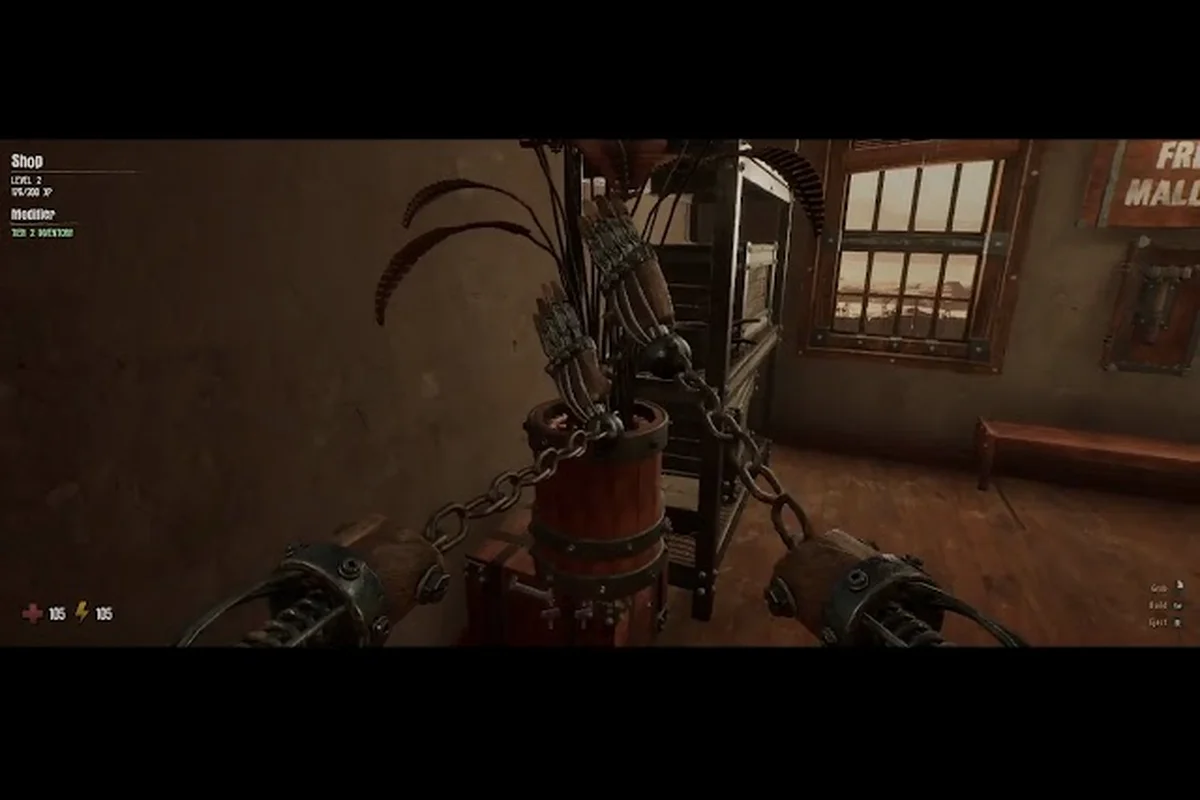
Every extraction run in GRAIN ROT ends with the same question: what do you haul back to the Outpost, and what do you leave to burn? The grain rot furniture resale market is the backbone of your income, yet most new players stuff their packs with the wrong pieces and wonder why their gold reserves stay flat. This guide breaks down real furniture values, hidden expense traps, and the exact resale patterns that separate profitable runs from break-even escapes.
The scorched wasteland rewards players who treat furniture as a commodity rather than decoration. Because the Outpost rebuild system consumes gold at every tier, understanding which loot converts to maximum value per inventory slot directly determines how fast you progress. Community data from the official Discord suggests that players who master furniture resale early reach their first major Outpost upgrade roughly 40% faster than those who sell indiscriminately.
The Furniture Resale Market and Its Profit Drivers
The furniture market in GRAIN ROT operates on a simple principle: depth equals value, but weight and slot efficiency complicate the math. Every piece you rip from the shifting ruins occupies inventory slots, and your pack size limits how much you can carry before the Corrupted force an early extraction. The grain rot furniture resale economy rewards players who memorize price-to-slot ratios rather than raw gold values.
According to community reports from the official GRAIN ROT Discord, the developers actively tune furniture gold values through patches, so the meta shifts more often than players expect. The Grinder plays a central role in this economy because it converts low-tier furniture into refined materials that sell for premium prices. However, feeding the Grinder costs time and exposes you to corruption buildup, which creates a risk-reward decision on every run.
The Vessel system adds another layer because certain furniture pieces unlock vessel upgrades that boost your extraction capacity. This means some furniture has dual value: immediate resale gold versus long-term utility. Smart players maintain a mental checklist of which pieces to sell, which to feed to the Grinder, and which to stash for vessel progression.
Key Furniture Categories and Their Market Behavior
Furniture in GRAIN ROT falls into three broad categories that behave differently on the resale market:
-
Structural pieces (tables, chairs, shelving) — common, low weight, consistent baseline gold values
-
Decorative pieces (lamps, rugs, wall art) — moderate weight, higher variance in value based on condition
-
Rare fixtures (chandeliers, antique cabinets, ornate mirrors) — heavy, high gold value, but risky to extract with
Each category responds differently to corruption levels and depth. Structural pieces maintain stable values across most floors, while rare fixtures command premium prices only when extracted from deeper ruins. The grain rot furniture resale market rewards players who understand these depth-based value curves.
Furniture Value Comparison: What Sells Best
Not all furniture delivers equal gold per slot, and the grain rot furniture resale market has clear winners and losers. Based on community testing during the launch week, the following table compares typical furniture values across different depth tiers. These numbers reflect community-reported averages and may shift with developer patches.
| Furniture Piece | Weight (slots) | Shallow Value (Floors 1-3) | Deep Value (Floors 4-6) | Gold per Slot |
|---|---|---|---|---|
| Wooden Chair | 1 | 15-20 gold | 25-30 gold | 15-30 |
| Dining Table | 3 | 40-50 gold | 60-75 gold | 13-25 |
| Standing Lamp | 2 | 35-45 gold | 50-65 gold | 17-32 |
| Antique Cabinet | 4 | 80-100 gold | 150-180 gold | 20-45 |
| Ornate Mirror | 3 | 60-75 gold | 110-130 gold | 20-43 |
| Chandelier | 5 | 120-150 gold | 250-300 gold | 24-60 |
The gold per slot column reveals why experienced players prioritize certain pieces over others. A chandelier from deep floors delivers exceptional returns, but its 5-slot weight means one corrupted encounter can force you to abandon it. Meanwhile, standing lamps offer reliable mid-tier value with manageable risk.
Grinder Conversion Values
Feeding furniture to the Grinder transforms low-value pieces into refined materials that sell for more than the raw furniture. Community testing suggests the following conversion rates: These ratios were compiled from Discord playtesting during launch week and should be treated as community estimates rather than official values.
| Raw Furniture Value | Grinder Output | Refined Material Value | Net Gain |
|---|---|---|---|
| 15-20 gold (chair) | 2-3 Wood Pulp | 25-35 gold | +10-15 gold |
| 40-50 gold (table) | 4-5 Wood Pulp | 50-65 gold | +10-15 gold |
| 35-45 gold (lamp) | 3-4 Glass Shards | 45-60 gold | +10-15 gold |
The Grinder adds 10-15 gold per piece but consumes time and increases corruption exposure. For players following a grain rot money making guide, the Grinder becomes worthwhile only when you have spare time before extraction or when corruption levels remain low.
Maximizing Gold Per Run: Extraction Strategies
Your grain rot gold per run depends less on finding rare pieces and more on consistent extraction discipline. The grain rot furniture resale market punishes greed because losing a pack to the Corrupted eliminates all potential income. Players who extract with 80% of a full pack consistently outperform those who gamble on one more floor.
The elevator extraction system creates natural decision points during each descent. Community reports indicate that most profitable runs follow a pattern: descend to floor 3-4, fill your pack with mid-tier furniture, and extract before corruption becomes dangerous. This approach yields reliable gold per run without the variance of deep-floor gambling.
Optimal Pack Composition
-
40% mid-tier pieces (standing lamps, dining tables) — reliable value with moderate risk
-
30% high-value pieces (antique cabinets, ornate mirrors) — strong returns when found
-
20% Grinder fodder (chairs, small shelves) — quick conversion during downtime
-
10% flexible slots — reserved for rare finds or emergency space
This composition balances risk and reward because it ensures you always have sellable value even if corruption forces an early extraction. Players who follow this pattern report consistent grain rot gold per run between 400-600 gold on average runs, with skilled players pushing toward 800+.
Expense Guide: Where Your Gold Goes
The grain rot expense guide matters as much as income because the Outpost rebuild system consumes gold at every tier. Many players earn solid income but still struggle because they spend inefficiently. Understanding the expense side of the economy prevents wasted gold and accelerates progression.
The Outpost upgrade tree offers multiple branches, and each upgrade costs significant gold. Community reports suggest that new players often overspend on cosmetic upgrades while neglecting functional ones. The table below compares common expense categories and their return on investment.
| Expense Category | Typical Cost | Return on Investment | Priority |
|---|---|---|---|
| Storage Expansion | 300-500 gold | High — more pack space per run | First |
| Grinder Upgrades | 400-700 gold | Medium — faster conversion | Second |
| Vessel Upgrades | 500-800 gold | High — better extraction capacity | First |
| Outpost Cosmetic | 200-400 gold | None — purely visual | Last |
| Weapon Repairs | 100-200 gold | Medium — survival reliability | Second |
The storage expansion and vessel upgrades deliver the strongest returns because they directly increase your furniture resale capacity. Every extra slot translates to additional gold per run, compounding across multiple extractions. Cosmetic upgrades offer no mechanical benefit and should wait until your income exceeds your functional needs.
Common Expense Traps
Players following a grain rot expense guide should avoid these common gold sinks:
-
Repairing low-tier weapons repeatedly instead of saving for better gear
-
Upgrading the Grinder before storage — conversion speed matters less than pack capacity
-
Buying consumables that you rarely use during extraction runs
-
Paying for Outpost services that duplicate free alternatives
Each of these traps drains gold without improving your grain rot furniture resale income. The most efficient expense pattern prioritizes capacity and extraction safety over convenience and cosmetics. Spending on cosmetic unlocks before you have stable extraction routes is the fastest way to stall your gold growth, so delay those purchases until your income is consistent.
Building a Sustainable Income Loop
The grain rot furniture resale market rewards players who build sustainable loops rather than chasing one-time windfalls. A sustainable income loop combines consistent extraction runs with smart expense management and gradual Outpost progression. Players who master this loop report steady gold growth without the burnout of high-risk gambling runs.
The core loop follows this pattern: extract furniture, sell or grind for gold, reinvest in capacity upgrades, then extract more efficiently. Each cycle increases your gold per run because better storage and vessel upgrades expand your pack capacity. The grain rot money making guide philosophy centers on this compounding growth rather than single lucky runs.
For furniture with grain rot, the key is catching it early—if you’re unsure how to assess its severity before reselling, check our guide on Grain Rot How To Get Gold to maximize your return. A single damaged antique can lose 40% of its sell value if you wait, so repair or sell within the same run cycle whenever you can.
Tracking Your Income Metrics
Successful players track three key metrics to optimize their grain rot furniture resale income:
-
Average gold per run — measures extraction efficiency and pack composition quality
-
Gold per hour — accounts for run duration, including queue times and Outpost management
-
Expense ratio — compares total expenses against total income to identify waste
Tracking these metrics reveals patterns that raw intuition misses. For example, a player might discover that their gold per run is solid but their expense ratio is too high because they repair weapons after every run. Adjusting these patterns creates meaningful income improvements without requiring better loot luck.
Frequently Asked Questions
What is the best furniture to sell for grain rot furniture resale?
The antique cabinet and ornate mirror offer the strongest gold per slot values when extracted from deeper floors. However, the best furniture depends on your risk tolerance and pack size. Mid-tier pieces like standing lamps provide reliable returns with lower corruption risk, making them ideal for consistent income.
How much gold can I earn per run with furniture resale?
Community reports indicate average runs yield 400-600 gold when following optimal pack composition, while skilled players reach 800+ gold on deep runs. Your actual grain rot gold per run depends on depth reached, pack size, and how efficiently you use the Grinder. Consistent mid-depth runs often outperform risky deep descents.
Should I feed furniture to the Grinder or sell it directly?
The Grinder adds 10-15 gold per piece but consumes time and increases corruption exposure. Feed the Grinder only when you have spare time before extraction or when processing low-value pieces like chairs. High-value furniture should always sell directly because the Grinder conversion gain does not justify the risk.
What expenses should I prioritize in the Outpost?
Prioritize storage expansion and vessel upgrades because they directly increase your furniture resale capacity. Grinder upgrades rank second, while cosmetic purchases should wait until your income exceeds functional needs. Following this expense guide prevents wasted gold and accelerates your progression through the rebuild system.
How do developer patches affect furniture values?
Developer patches actively tune furniture gold values, especially Grinder-tier pieces and corruption modifiers. Each update can shift the resale meta, so check patch notes before stocking your pack. Adapt your composition to current values—what sold well last week may be worthless now. Stay flexible, and you’ll keep your gold per run steady.